

Hobbies used to be the reward at the end of a hard week.
Now, for many Americans, they look more like a second rent payment.
We see this across the country: people still love golf, travel, fitness, collecting, and creative pursuits. The passion hasn’t disappeared. The problem is that the price of “having a hobby” has climbed so high that millions are cutting back, scaling down, or quitting altogether.
Let’s walk through six popular hobbies that have quietly turned into luxury line items in the family budget, why they’ve become so expensive, and realistic ways to keep the joy alive without wrecking your finances.
How Everyday Hobbies Turned Into Luxury Spending
Over the past few years, prices on almost everything tied to leisure have climbed faster than paychecks. Golf rounds now cost close to 30% more than they did before the pandemic. Gym memberships have crept up. Travel costs have risen roughly 9–20% versus 2019, depending on the mix of airfare, hotels, and gas.
At the same time, work stress, housing costs, childcare, and debt pressures are eating into what used to be “fun money.” That creates a painful tension: we need hobbies more than ever for mental health, but the price tag keeps pushing them out of reach.
Let’s look at the worst offenders.
Golf
Golf has long been one of America’s favorite weekend hobbies. It promises fresh air, friendly competition, and a few hours where the email inbox doesn’t exist.
The problem is the bill.
Recent data shows the average tee time in the United States is now about $49 for 18 holes, up from around $38 in 2019—a jump of roughly 29%. Some state averages are even higher, with many players reporting $50–$70 per round at mid-tier courses.
On top of that, golfers face:
- Equipment costs: Clubs, shoes, balls, gloves, and clothing can easily run into hundreds or thousands of dollars.
- Membership dues: Private clubs often charge initiation fees plus monthly dues that can rival a car payment.
- Travel and food: Golf trips, resort courses, and “buddy weekends” stack additional hotel, gas, and restaurant costs on top.
For frequent players, the math becomes brutal. A golfer who plays once a week at $50 a round is already at $2,600 a year before new gear, range sessions, or membership fees.
Budget-friendly ways to stay in the game
We can still keep golf in our lives by changing how we approach it:
- Shift to twilight or weekday rates instead of prime Saturday mornings.
- Use municipal and public courses, where rounds can be as low as $20–$40.
- Play nine holes instead of 18 to cut costs and time.
- Buy used or pre-owned clubs instead of brand-new sets.
Golf might no longer be a casual “every weekend” activity for many people, but it can still be an occasional treat instead of a total sacrifice.
Scuba Diving
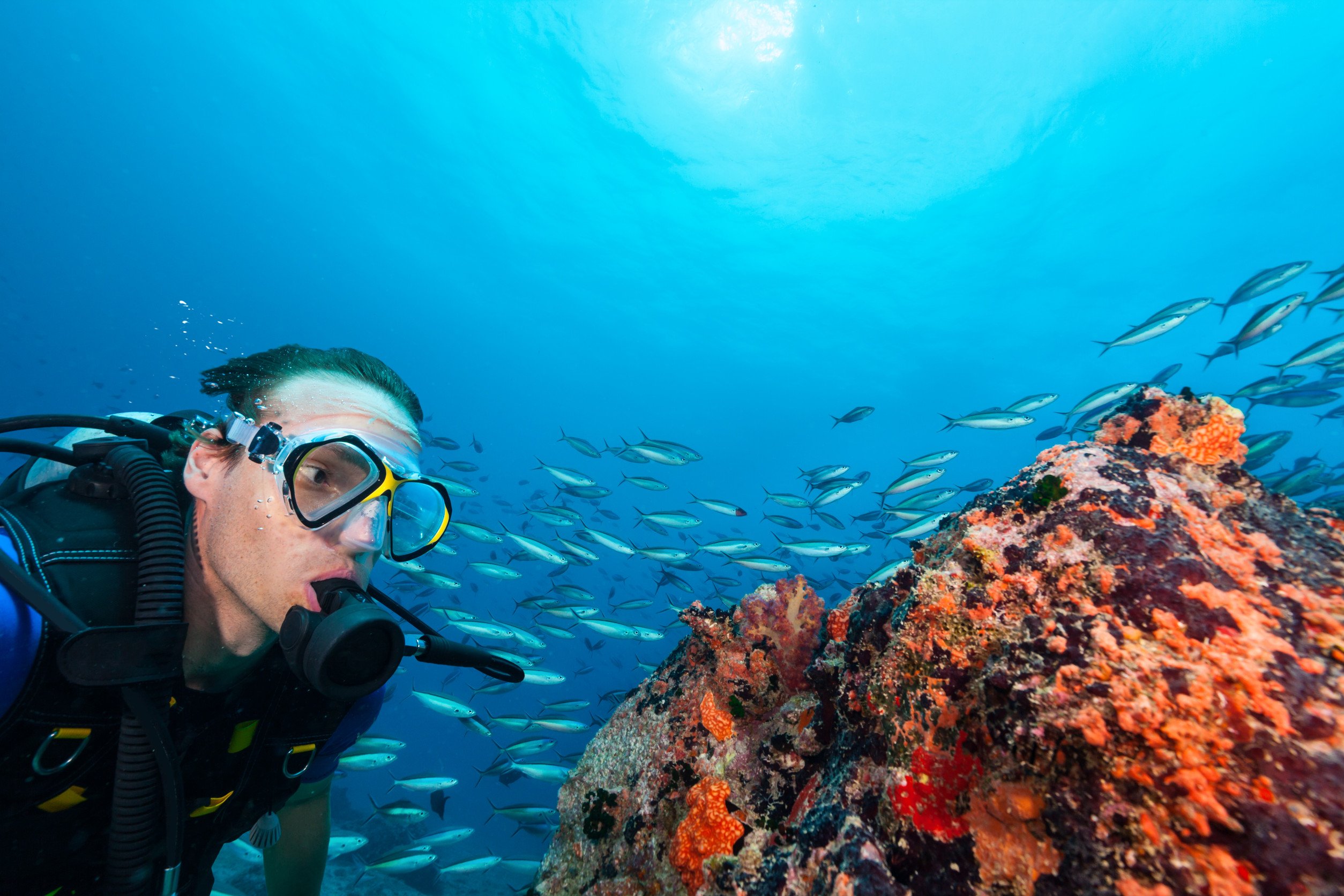
Few hobbies deliver the awe of scuba diving: coral reefs, shipwrecks, sea turtles, and that surreal feeling of floating in silence below the surface.
That magic comes at a high price.
The financial reality typically includes:
- Open water certification courses that often run $400–$600 per person in the U.S.
- Personal gear (mask, fins, boots, snorkel) costing $250–$400 for basic quality.
- Full gear setups (regulator, BCD, wetsuit, tanks) that can easily reach $1,500–$3,000 over time.
- Travel to dive destinations, boat charters, park fees, and lodging.
For most Americans, that pushes scuba into the “special trip” category instead of a regular weekend hobby.
How to keep the ocean in reach
We can still enjoy underwater experiences without permanently rearranging our finances:
- Dive only while traveling every year or two, instead of trying to maintain it as a constant hobby.
- Rent high-cost gear instead of owning everything.
- Start with snorkeling, which requires less training and cheaper gear but still gives a taste of marine life.
- Explore local lakes or quarries if available, which can cut resort travel costs.
The thrill of scuba doesn’t have to disappear; it just shifts from routine to rare and intentional.
Gym Memberships and Boutique Fitness
Exercise is non-negotiable for health. Unfortunately, the way fitness is sold has pushed a basic need into luxury territory for many households.
The average U.S. fitness facility membership fee rose to about $65–$69 per month in 2023–2024, according to industry reports. Budget gyms may start at $10–$25 a month, but boutique studios and specialized classes can run $150–$300 or more, especially in major cities.
That’s just the baseline. Add:
- Initiation fees and annual “maintenance” charges.
- Paid add-ons like small-group training or premium classes.
- Childcare, parking, and fuel to commute to the gym.
For families managing rent, groceries, student loans, and healthcare, $150–$200 a month for fitness feels like a luxury, not a necessity.
Smarter, lower-cost ways to stay fit
We can stay healthy without swallowing a punishing membership bill:
- Use budget gyms strictly for essential equipment and skip the premium upsells.
- Replace boutique classes with high-quality free or low-cost online workouts.
- Build simple home gyms using resistance bands, dumbbells, and bodyweight routines.
- Walk, run, or cycle outdoors and use public parks and trails.
The goal is to protect health while keeping recurring costs as low as possible.
Travel For Leisure
Travel is the hobby many Americans call their “top life priority” experience: exploring new cities, seeing the ocean, showing kids the world, or revisiting family abroad.
The cost has made it harder to do that more than occasionally.
Travel price indexes show overall travel costs—airfare, hotels, and gas combined—running roughly 9–20% higher than pre-pandemic levels, depending on the mix. Hotel rates in particular have surged compared with 2019, and event-driven surges can push nightly prices up several hundred percent in popular cities.
Families now face:
- Airfare for two adults and two kids that can easily top $1,500–$2,500.
- Hotel stays running $150–$300 per night in many major destinations.
- High restaurant and entertainment prices at tourist hotspots.
That turns “a quick getaway” into a four-figure budget decision.
Lower-cost ways to keep travel alive
We can still enjoy travel by redesigning the experience:
- Turn to road trips, camping, and state or national parks instead of long-haul flights.
- Prioritize off-season and midweek travel to dodge peak pricing.
- Choose vacation rentals with kitchens to cut restaurant spending.
- Focus on one meaningful trip a year instead of multiple shorter ones.
Travel remains one of the richest sources of memories—we just need to be far more strategic with when, where, and how we go.
Collecting

Collecting used to be something casual: coins, comic books, stamps, trading cards, or vintage items picked up at flea markets and garage sales.
Now, many collecting niches look more like speculative markets than laid-back hobbies.
- Trading card prices have surged in recent years, fueled by nostalgia and investor demand.
- Pokémon cards have delivered multi-thousand-percent returns over two decades, drawing in investors chasing outsized gains.
- Record-breaking sales—like a women’s sports trading card selling for $660,000—distort expectations and push prices up for related items.
The result is a landscape where:
- Entry prices for sought-after items are too high for casual collectors.
- Bidding wars and auction platforms create psychological pressure to overspend.
- The joy of discovery is overshadowed by resale value, grading fees, and fear of missing out.
How to reclaim collecting without draining savings
We can still enjoy collecting by intentionally stepping outside the hype cycle:
- Focus on affordable, niche segments instead of chasing headline-grabbing items.
- Set strict monthly or annual spending caps and treat them like any other budget category.
- Collect based on personal meaning instead of investment potential.
- Trade, swap, and participate in local collector communities instead of only buying.
Collecting can still be a source of satisfaction if we treat it as a passion first, and a profit opportunity last.
Photography

Photography is one of the purest creative hobbies. It invites us to see the world differently, capture moments, and tell stories visually.
The cost of “serious” photography, though, is steep:
- Camera bodies commonly run from $800 to several thousand dollars.
- Quality lenses often cost more than the camera itself, with many enthusiasts eventually buying multiple lenses for different purposes.
- Editing software and cloud storage come with recurring subscription fees.
- Travel, studio rental, props, and printing add even more layers of expense.
In an era where smartphones already have strong cameras built in, upgrading to full professional gear can be hard to justify for someone who isn’t earning money from photography.
Affordable ways to nurture the craft
We can still grow as photographers without turning it into a financial burden:
- Maximize smartphone photography and invest instead in learning composition, lighting, and storytelling.
- Buy used or refurbished cameras and lenses instead of brand-new gear.
- Start with one versatile lens instead of building a collection immediately.
- Use free or low-cost editing tools; many are more than enough for non-commercial work.
Skill, patience, and creativity matter more than the price tag on the lens.
Why These Hobbies Feel Out of Reach for So Many Americans
Across all six hobbies, the same pattern keeps showing up:
- Core costs have risen faster than incomes. Rounds of golf, gym dues, travel, and collectibles have all climbed noticeably in price in just a few years.
- Hidden and add-on fees multiply the pain. Initiation fees, surcharges, equipment upgrades, destination markups, and “premium tiers” quietly stack up.
- Social media raises expectations. We see polished travel photos, high-end gear, and luxury experiences online, and feel pressure to match them instead of choosing simpler versions.
The emotional impact is real. Many people feel guilty cutting back on hobbies they love, even though the numbers no longer make sense. Others push hobbies onto credit cards, adding financial stress to what is supposed to be a source of relief.