The relationship between celebrities and their fans can often be intense, filled with adoration, admiration, and occasionally, misunderstandings. While most of us simply express our love for celebrities by streaming their music or watching their movies, some fans take their devotion to a completely different level. These fans, disillusioned or wronged in some way, have resorted to taking their grievances to court.
Here, we dive into some of the most extraordinary lawsuits where fans have sued their favorite celebrities, sometimes for the most outlandish reasons.
Taylor Swift
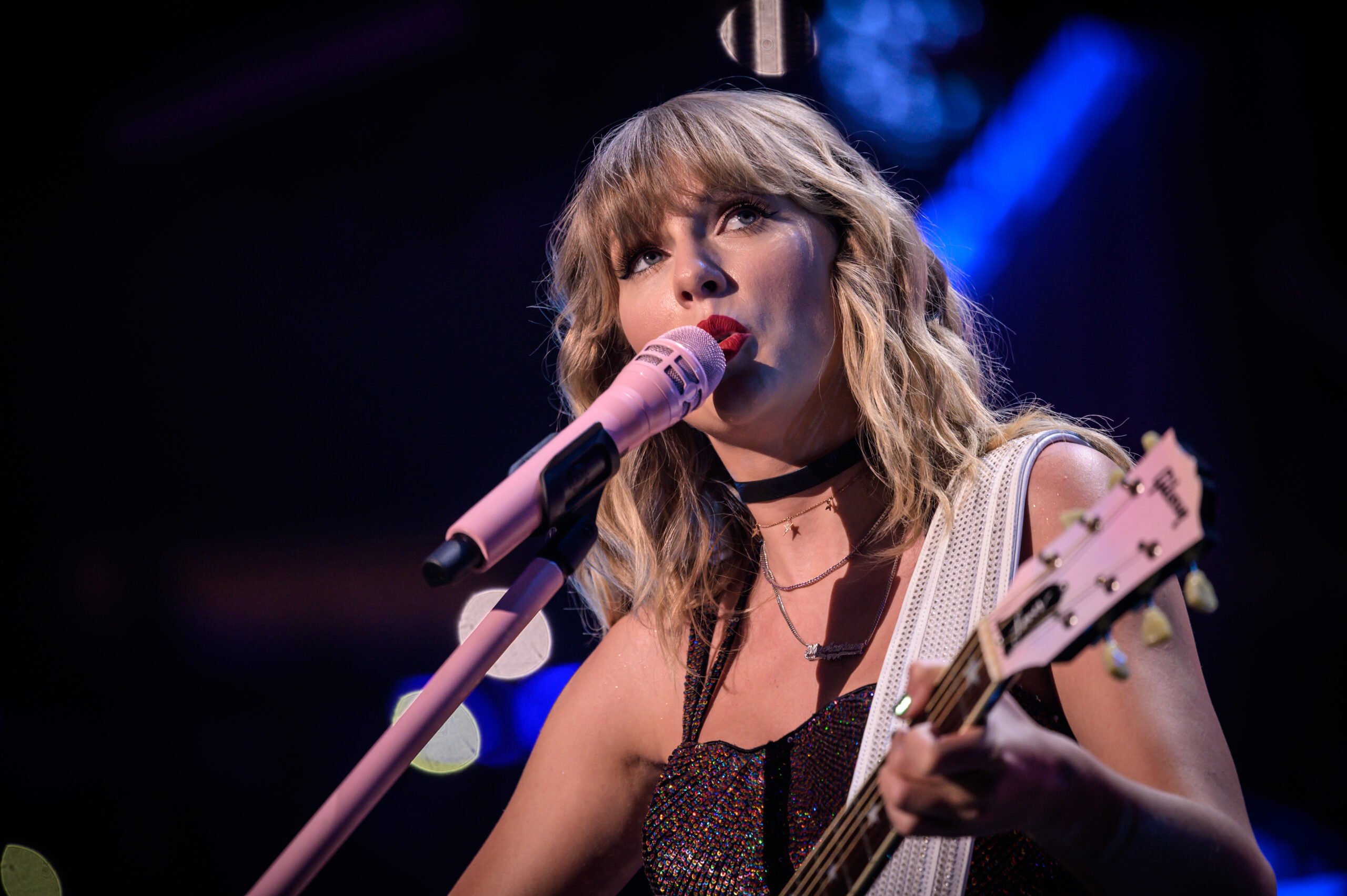
Taylor Swift, like many celebrities, attracts obsessive fans who go to extreme lengths to gain her attention. One particularly bizarre case involved a fan who sued the singer after allegedly developing an obsession with her. The lawsuit was filed, alleging that Swift’s behavior contributed to the fan’s distress, and the individual sought significant compensation for emotional distress.
While the case was dismissed, it raised unsettling questions about the boundaries between admiration and unhealthy obsession.
Lil’ Wayne
In 2012, rapper Lil’ Wayne was caught in a heated dispute with a fan, Alfred Marino, who attempted to take a picture of the artist outside a Los Angeles store. According to Marino, Lil’ Wayne’s bodyguard became aggressive when he refused to stop filming, eventually hitting him over the head with a skateboard.
Marino, left with severe vertigo, sued Lil’ Wayne for the pain and emotional distress he suffered. This legal battle highlighted the blurred lines between fan admiration and celebrity privacy, with fans increasingly confronting celebrities in public spaces.
Skrillex
In 2014, DJ Skrillex was the subject of an unlikely lawsuit after a fan, Jennifer Fraissl, accused him of causing a stroke. Fraissl claimed that Skrillex jumped off the stage during a performance and landed directly on her. Despite video evidence showing no physical contact between the two, a jury awarded Fraissl a staggering $4.5 million in damages.
The lawsuit, which also involved the concert’s venue and Skrillex’s tour company, raised concerns about the safety of high-energy events and their potential to harm attendees. Skrillex, however, expressed his commitment to fan safety, highlighting the challenge of balancing excitement with precaution in such performances.
Miley Cyrus
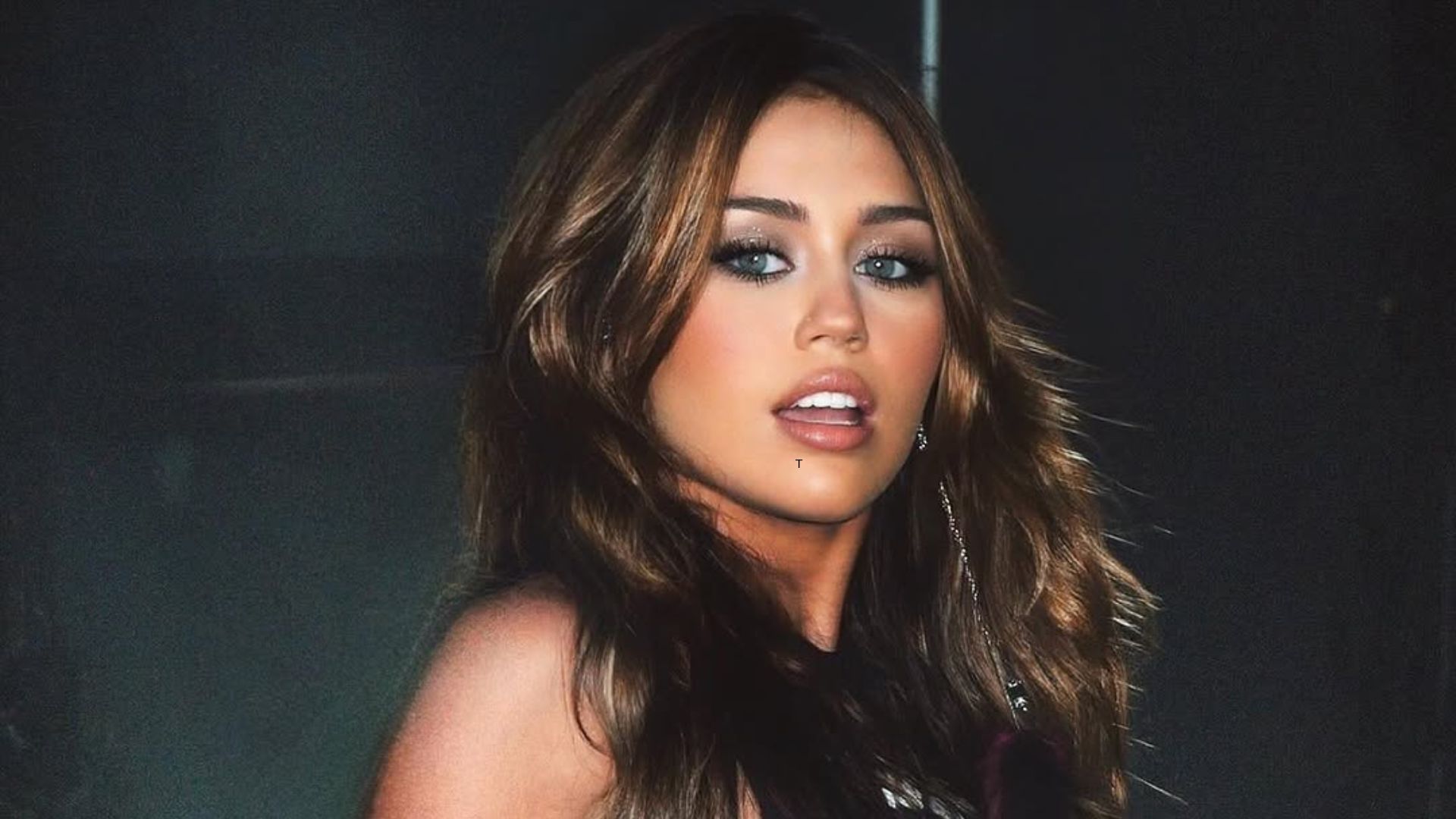
In 2009, a seemingly harmless photo of Miley Cyrus making an “Asian eyes” gesture caused a major controversy. The image, which showed Miley and her friends pulling their eyes back while a young Asian man remained untouched, was deemed offensive by many.
Lucie J. Kim, an upset Los Angeles woman, filed a $4 billion lawsuit against the former Disney star, claiming that the image perpetuated racial stereotypes and caused harm to the Asian American community. The lawsuit, although dismissed, shed light on the sensitivities surrounding race and representation in media, especially when it involves public figures like Miley Cyrus.
Usher
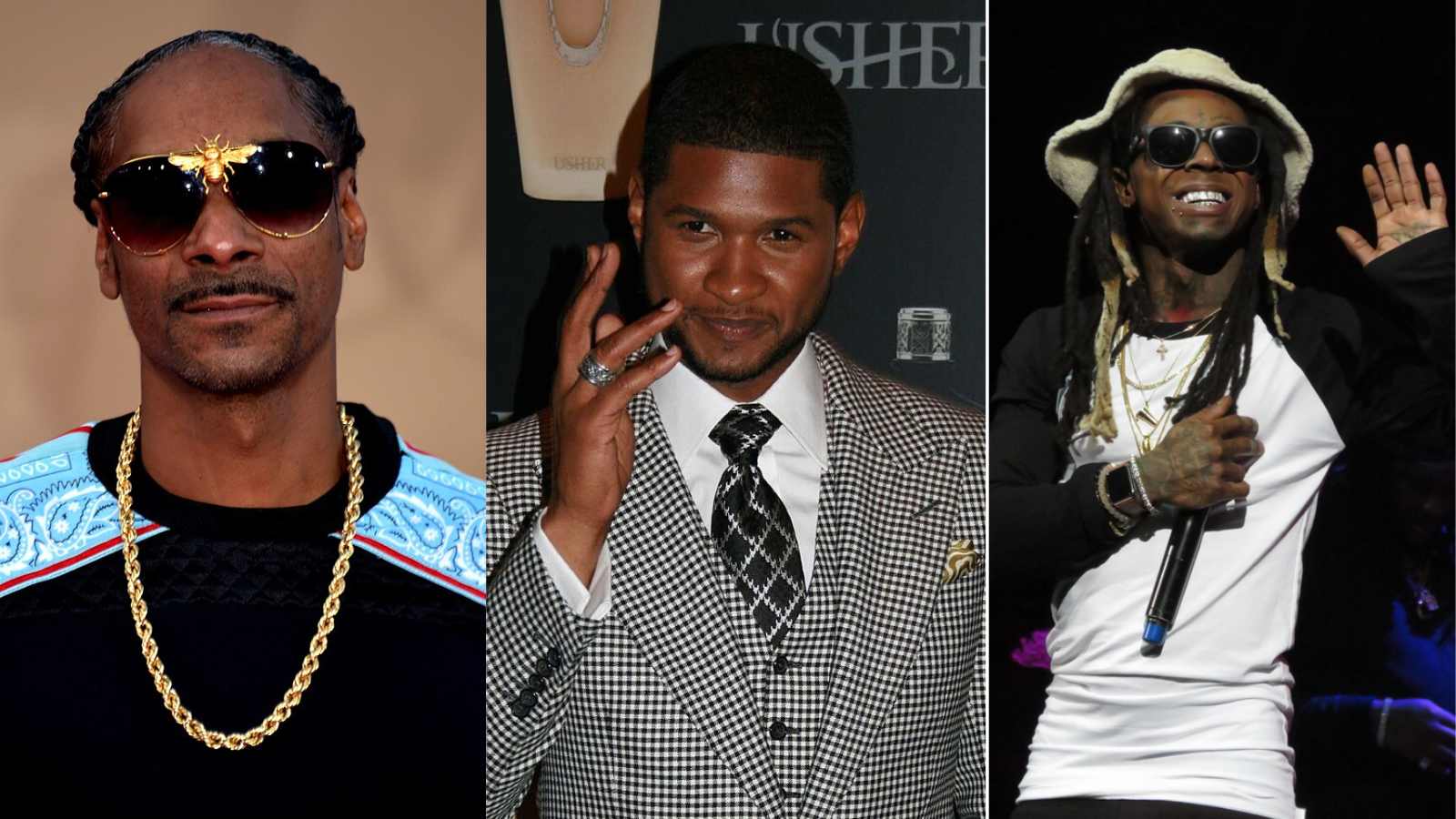
In 2017, R&B singer Usher found himself facing legal action from three individuals who alleged that the star had exposed them to the herpes virus. The plaintiffs, including Quantasia Sharpton, accused Usher of knowingly having unprotected sex with them while carrying the disease.
This lawsuit was just one of several filed against the singer, leading to widespread media attention. Usher had previously settled a similar case in 2012 for $1.2 million. The scandal not only tarnished Usher’s reputation but also sparked a wider conversation about celebrity health issues and personal responsibility.
Creed
In 2003, the rock band Creed found itself embroiled in a lawsuit that shocked many fans. During a concert in Illinois, lead singer Scott Stapp appeared visibly intoxicated and struggled to perform. At one point, he even passed out on stage. The audience, expecting a flawless performance, was left deeply disappointed, with some fans even suing for damages.
A class-action lawsuit was filed, seeking refunds not only for tickets but also for parking costs, totaling over $2 million. The case was dismissed when the judge ruled that such incidents shouldn’t be subject to court review, as it would open the door to frivolous lawsuits against artists and performers.
Justin Bieber
In 2010, during a Justin Bieber concert in Oregon, fan Stacey Betts claimed that the singer’s performance caused permanent damage to her hearing. The incident involved Bieber being hoisted into a metal gondola over the crowd, where the enthusiastic screams of his fans, amplified by the metal structure, allegedly caused a sound blast that led to Betts suffering from tinnitus.
She filed a lawsuit demanding $9 million in damages, citing the intense noise levels as the cause of her condition. Though the case was ultimately dismissed, it raised important questions about crowd safety and the potential hazards of loud concerts.
Snoop Dogg
In a bizarre incident during a Snoop Dogg concert, fan Richard Monroe Jr. rushed the stage and attempted to hug the rapper, only to be tackled by security guards. The violent altercation left Monroe injured, leading him to sue Snoop Dogg for $22 million. Monroe argued that the excessive use of force by security guards was unjustified, and he sought compensation for his injuries.
After the case went to trial, the jury awarded Monroe nearly $500,000 in damages, although Snoop Dogg himself was not held liable for his security’s actions.
Jessica Simpson
In 2018, Jessica Simpson became embroiled in a lawsuit with a paparazzi who accused her of stealing a photo he had taken of her. After a New York City encounter, the photographer posted the image, and Simpson, in turn, shared it on her Instagram account.
The photographer claimed that Simpson’s repost violated copyright law because the photo was his intellectual property. The lawsuit, seeking $20,000 in damages, has stirred controversy over the ownership of photographs, especially for celebrities who frequently share media with their fans on social platforms.
Bon Jovi
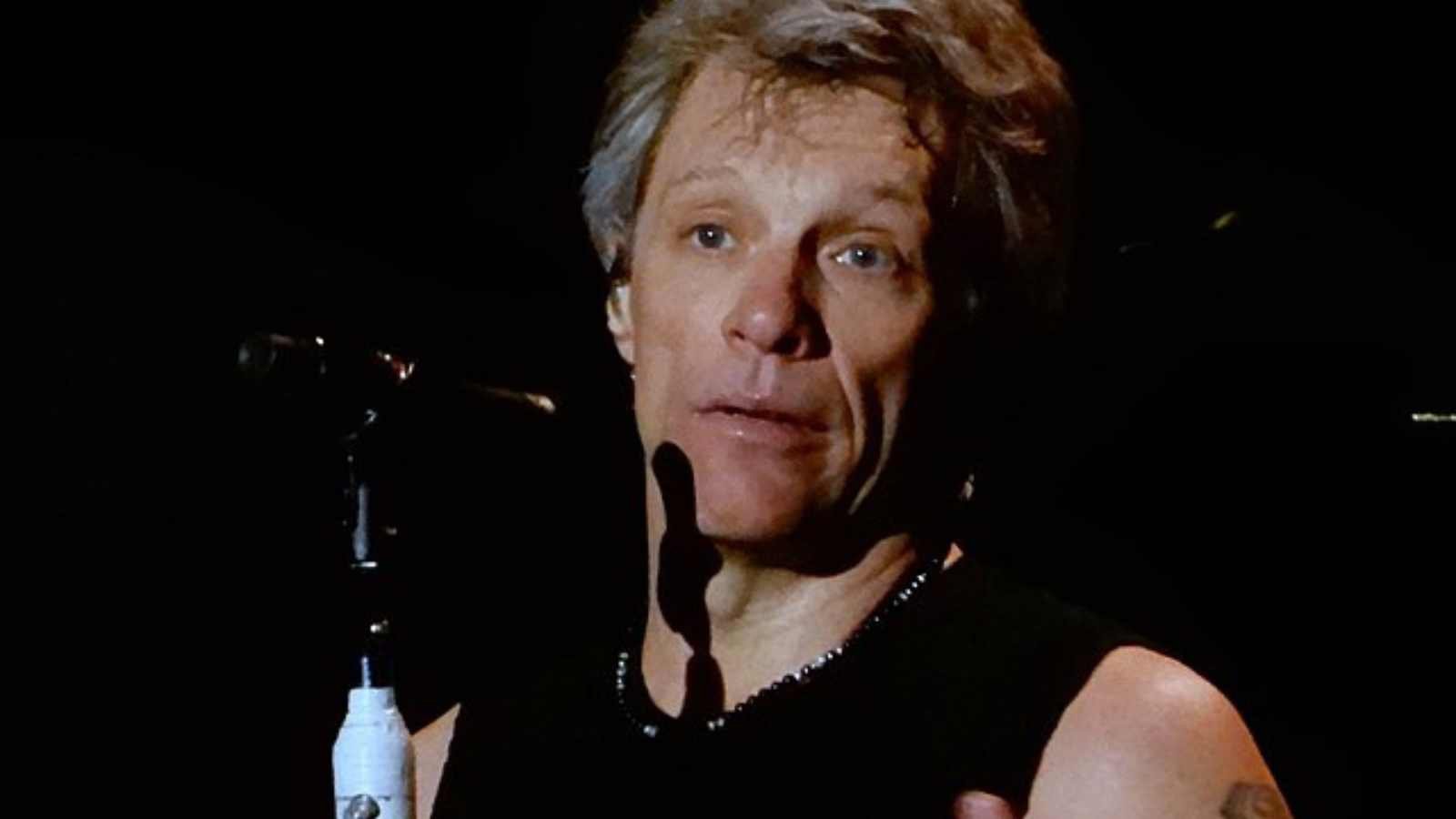
In 2007, Bon Jovi faced a bizarre lawsuit from fan Samuel Bartley Steele, who accused the band of stealing his song. Steele claimed that Bon Jovi had taken his song “Man I Really Love This Team” and turned it into the hit “I Love This Town.” To support his case, Steele even hired a musicologist who testified that the two songs were strikingly similar.
However, when the musicologist revealed that the songs were not alike, the case was dismissed. Despite this, Steele appealed the decision, attempting to press forward with his claims, although his efforts were ultimately in vain.
Conclusion
While most fans express their love for celebrities in positive and supportive ways, these legal battles demonstrate the risks associated with celebrity status. Whether it’s the result of a misunderstood action, an overzealous fan, or a genuine mistake, these lawsuits serve as a reminder that even the most adored figures are not immune to the consequences of their public persona.
In a world where social media and public appearances often blur the lines between public and private life, it’s essential for both celebrities and fans to understand the potential consequences of their interactions. These cases highlight how the love and admiration fans have for their idols can sometimes turn into legal disputes that take on a life of their own.
For celebrities, maintaining a balance between their public image and personal life has never been more critical, especially in a time when every action can be scrutinized and potentially lead to a courtroom battle.